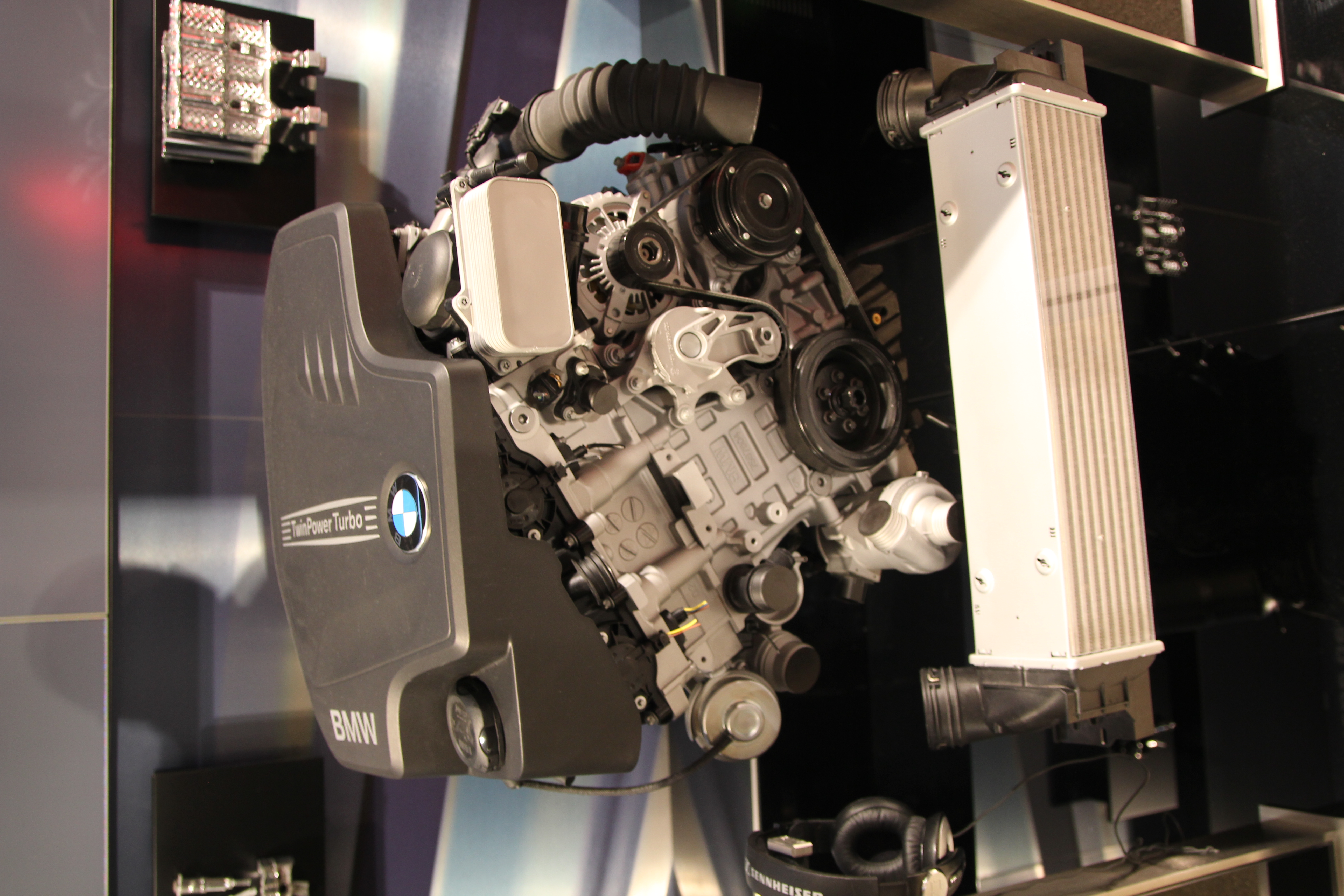
The BMW N20 is one of the most widely deployed four-cylinder engines of the modern era. This 2.0-liter TwinPower Turbo unit powered a huge slice of BMW's 2011–2017 lineup — the F30 320i/328i, F10 528i, F25 X3, F26 X4, and even the Z4 sDrive28i, among others. It brought genuine turbocharged punch, respectable fuel economy, and smooth power delivery to the mainstream range. But among enthusiasts and independent BMW specialists, the N20 (and its detuned N26 SULEV sibling) carries a well-earned reputation for one serious weakness: premature timing chain failure.
Understanding BMW N20 timing chain failure is essential if you own — or are shopping for — any of these cars. A failed timing chain isn't a minor inconvenience. On an interference engine like the N20, a chain that stretches, jumps, or snaps can cause catastrophic internal damage, turning a preventable repair into an engine-out rebuild costing many thousands of dollars. The good news is that the failure is progressive, produces recognizable symptoms and diagnostic trouble codes, and can be inspected and addressed before disaster strikes.
This DreamBMW Tech & DIY Workshop guide walks you through exactly what goes wrong, the warning signs to listen for, how to inspect the components (including via ISTA and error codes), and realistic repair cost ranges — whether you tackle it yourself or hand it to a specialist.
Why the N20 Timing Chain Fails
The N20 uses a single-row timing chain driven off the crankshaft, actuating the intake and exhaust camshafts through variable valve timing (VANOS) units and Valvetronic variable lift. The failure isn't usually the chain snapping on its own — it's a chain guide and tensioner system that wears prematurely, allowing the chain to stretch, slap, and eventually skip teeth on the sprockets.
Several contributing factors are commonly identified by BMW technicians and independent specialists:
- Plastic chain guides and tensioner components that become brittle and crack, especially on higher-mileage engines or those run on extended oil-change intervals.
- Oil pump drive chain issues — the N20 also uses a separate oil pump chain that can wear, and its failure starves the top end of oil, accelerating timing-chain wear.
- Extended oil service intervals — BMW's factory intervals (often 10,000+ miles) leave marginal engines vulnerable. Sheared or degraded oil accelerates guide wear.
- Heat cycling and turbocharger load that stress the plastic tensioner rail over years of use.
BMW issued revised, updated timing components (Technical Service Bulletins and part revisions) during the N20's production run, and later engines are generally more robust. But no N20 should be considered immune — this is a wear item that demands attention, particularly beyond 60,000–80,000 miles.
N20 Timing Chain Failure Symptoms
The most valuable thing an owner can do is recognize the early symptoms. Timing chain wear is progressive, and catching it in the noise-and-code stage — before the chain skips — is the difference between a manageable repair and a destroyed engine.
1. Cold-Start Rattle
The classic and most reliable early warning is a metallic rattling or "death rattle" during cold startup, lasting one to three seconds before the hydraulic tensioner pressurizes. It comes from the timing cover area at the front of the engine. On a healthy N20, startup is nearly silent. A distinct rattle — especially one that grows louder or lasts longer over weeks — is a strong indicator of a worn tensioner and stretched chain.
2. Rough Running & Misfires
As the chain stretches, camshaft-to-crankshaft timing drifts out of the DME's expected window. This produces rough idle, hesitation, misfires, and reduced power. You may notice the engine feels "lumpy" or surges at idle.
3. Check Engine Light & Camshaft Correlation Codes
The DME monitors crankshaft and camshaft position sensors continuously. When chain stretch pushes the correlation outside tolerance, the check engine light illuminates with specific fault codes (detailed below).
4. Rattle Under Load or Deceleration
In advanced cases, the rattle appears not just at cold start but during acceleration, deceleration, or at various RPM points — indicating significant guide wear and chain slack. This is a serious stage; the car should not be driven hard.
- Metallic rattle on cold start (earliest sign)
- Rattle that lengthens or worsens over time
- Rough idle, misfires, hesitation
- Check engine light with timing/VANOS correlation codes
- Reduced power and poor fuel economy
- In severe cases: rattle at all RPM, then engine failure
Common BMW N20 Error Codes to Watch For
When diagnosing with ISTA or a capable BMW-specific scan tool, timing chain problems typically surface as camshaft position and correlation faults stored in the DME. These are the codes most frequently associated with N20 timing chain stretch:
| Code | Meaning |
|---|---|
| 2A82 | VANOS, intake camshaft — control deviation |
| 2A87 | VANOS, exhaust camshaft — control deviation |
| 2A98 / 2A99 | Camshaft position, correlation to crankshaft out of tolerance |
| P0011 / P0014 | Camshaft position — timing over-advanced / performance |
| P0016 / P0017 | Crankshaft-camshaft correlation fault (bank 1) |
These codes don't always mean a stretched chain — a faulty VANOS solenoid, low oil pressure, or a bad camshaft sensor can trigger similar faults. That's why physical inspection is critical rather than replacing parts based on codes alone. If you're curious about how BMW's engine and chassis families are organized, our BMW DNA database is a useful reference for cross-checking which platforms carried the N20 and N26.
How to Inspect the N20 Timing Chain
Inspection ranges from simple listening tests to a partial front-cover teardown. Here's a logical DIY progression from least to most invasive.
Step 1: Cold-Start Listening Test
Leave the car overnight. Start it cold and listen carefully at the front of the engine. A clean start is reassuring; a 1–3 second rattle warrants further investigation. Have a phone recording the audio to compare over time.
Step 2: Read Fault Codes with ISTA
Connect ISTA (or a quality BMW-specific tool) and read the DME fault memory. Look for the correlation and VANOS codes above. ISTA can also display live camshaft-to-crankshaft timing offset values — significant deviation from the target range points strongly to chain stretch. Document freeze-frame data and clear codes, then see if they return under driving.
Step 3: Inspect VANOS Timing Adaptation Values
Within ISTA's service functions you can view VANOS position adaptations. Values pushed toward their limits — where the DME is compensating heavily to hold timing — indicate a stretched chain that the system can no longer fully correct.
Step 4: Visual Inspection of Guides & Tensioner
The most definitive check requires removing the front timing cover (an involved job) to visually assess the plastic guide rails for cracking and to measure chain slack. On many N20s this is combined with the actual repair — if you're in there, you replace everything. Some specialists will inspect the tensioner and upper guide with less disassembly to gauge severity.

BMW N20 Timing Chain Repair Costs Explained
Repair cost depends heavily on whether you catch the problem early (preventive chain replacement) or late (post-failure engine damage). It also depends on parts choice and labor rates. The following are approximate U.S. ranges as a planning guide — always get a local quote.
| Scenario | Approx. Cost (USD) |
|---|---|
| Timing chain kit (parts only, quality aftermarket) | $300 – $700 |
| OEM/Genuine BMW chain kit + oil pump chain | $600 – $1,000 |
| Preventive chain replacement (indy shop, labor + parts) | $1,500 – $3,000 |
| Chain replacement at BMW dealer | $2,500 – $4,000+ |
| Post-failure engine repair / rebuild / replacement | $6,000 – $12,000+ |
The labor is what drives cost — replacing the N20 timing chain is a multi-hour job requiring removal of numerous components at the front of the engine, and it's frequently done as an engine-out or partial-front-off procedure on certain chassis layouts. Because the parts are relatively inexpensive versus the labor, most technicians strongly recommend replacing the complete kit — primary chain, guides, tensioner, oil pump chain, and associated seals and bolts — in one go rather than reusing any aging component.
Is DIY Realistic?
For an experienced home mechanic with a full tool set, service manuals, and BMW-specific timing tools (camshaft locking fixtures, crankshaft holder), a DIY N20 timing chain replacement is achievable but demanding — plan a full weekend or more. The margin for error is small: incorrect timing installation can bend valves instantly on first crank. If you're not fully confident with VANOS timing procedures, this is a job for a trusted independent BMW specialist.
Prevention: Protecting Your N20
While no maintenance eliminates the risk entirely, you can dramatically reduce the odds of premature failure:
- Shorten oil-change intervals to roughly 5,000–7,500 miles using the correct BMW-approved LL-01/LL-04 specification full-synthetic oil. Clean oil keeps the tensioner and guides healthy.
- Warm up before hard driving — let oil pressure and temperature stabilize; cold, thick oil under load stresses the top end.
- Address rattles immediately — never dismiss a cold-start rattle as "normal for a four-cylinder."
- Consider preventive replacement around 80,000–100,000 miles if history is unknown, especially on early-production engines.
The N20's timing chain reputation is a reminder that even mainstream BMW engines demand attentive ownership — a theme that runs through much of our workshop content. If you're weighing the long-term ownership math on modern BMWs, our look at BMW EV depreciation and resale values offers a different angle on total cost of ownership, while enthusiasts eyeing the enthusiast end of the range may enjoy our feature on the future of manual BMW M cars. And if oil-related engine care is on your mind, our guide to preventing BMW V8 oil leaks pairs well with the maintenance mindset covered here.
Final Word on BMW N20 Timing Chain Failure
The N20 remains a strong, tunable, genuinely enjoyable engine — but its timing chain is a known Achilles' heel that rewards vigilance and punishes neglect. The pattern is consistent: a cold-start rattle appears, correlation codes follow, and if ignored, the chain eventually skips and destroys the engine. Catch it early, replace the complete kit with quality parts, keep your oil clean and frequent, and an N20-powered F30, F10, or X3 can serve reliably for many years.
If you're shopping the used market, factor a potential chain job into your negotiation on any high-mileage N20 or N26 car — and treat documented preventive replacement as a premium feature, not an afterthought. A few hundred dollars of parts and disciplined maintenance is all that stands between a great engine and a very expensive lesson.