The BMW X5 has been the quiet cornerstone of BMW's global success since the original E53 launched the Sports Activity Vehicle concept back in 1999. For 2026, the fourth-generation G05 gives way to an all-new codename: the G65 BMW X5. While it looks evolutionary at first glance, the G65 represents one of the most significant powertrain and technology overhauls in the model's history — and it carries a genuine wildcard in the form of a series-production hydrogen fuel-cell variant.
This is a pivotal moment for BMW's most important SUV. With the Neue Klasse architecture rolling out across the electric range, the X5 finds itself straddling two worlds: it remains a combustion and plug-in hybrid stalwart while BMW's dedicated EVs move to a fresh platform. That makes the 2026 X5 a fascinating study in what BMW keeps, what it changes, and where it hedges its bets on future propulsion.
In this deep dive we'll break down the G65's design updates, powertrain lineup, interior and iDrive changes, expected pricing, and — crucially — the hydrogen X5 that BMW has confirmed for series production. Whether you're cross-shopping a new lease or simply tracking where BMW's flagship SUV is headed, here's everything worth knowing.
G65 BMW X5 2026: What Actually Changes
Officially, BMW is positioning the G65 as a next-generation model rather than a mere facelift, and the internal chassis code change from G05 to G65 backs that up. The platform is a heavily reworked evolution of the CLAR (Cluster Architecture) rear-drive layout that has underpinned the X5 since 2018, now updated to accommodate BMW's latest electrified drivetrains and higher-voltage systems.
Exterior design
Visually, the G65 sharpens rather than reinvents. Expect a more upright, clearly defined kidney grille — now available with the illuminated "Iconic Glow" contour surround on higher trims — flanked by slimmer adaptive LED headlights with an available split-lighting signature. The overall silhouette stays true to the X5's confident proportions, but revised bumpers, cleaner surfacing along the flanks, and new wheel designs (ranging from 20 to 22 inches) modernize the look.
Importantly, BMW has resisted the temptation to graft full Neue Klasse styling onto the X5. If you want to understand the radically different design language coming to BMW's dedicated EVs, see our breakdown of how the Neue Klasse redefines BMW design. The X5 instead evolves the current "clean, technical" aesthetic that has aged well.

Powertrain updates
Under the hood, the G65 carries forward BMW's excellent modular inline engines, now with revised 48-volt mild-hybrid integration for smoother stop-start behavior and modest efficiency gains. The expected core lineup:
- xDrive40i — B58 3.0L turbocharged inline-six with mild-hybrid assist, producing approximately 375 hp in updated form.
- xDrive50e — B58 paired with an electric motor for a plug-in hybrid system in the 480–490 hp range, with an enlarged battery targeting meaningfully more electric-only range than the outgoing G05 50e.
- M60i xDrive — S68 4.4L twin-turbo V8, delivering roughly 520 hp as the performance flagship below the full M car.
- X5 M — the S68 in higher output for the dedicated M model, expected to arrive slightly later in the cycle.
The B58 remains one of the finest six-cylinders BMW has ever built, and if you appreciate the engineering behind BMW's modern turbo sixes, our look at the closely related S58 engine is essential reading. You can also cross-reference any X5's exact engine and chassis details through our BMW DNA database.
What Carries Over From the G05
Not everything needed reinventing, and BMW has wisely retained the G05's greatest strengths. The fundamental packaging — a spacious five-seat cabin with an optional third row, generous cargo capacity, and the signature split tailgate — remains intact. Ride quality, aided by available two-axle air suspension and adaptive dampers, continues to be a class benchmark.
The eight-speed ZF automatic transmission carries over in refined form, paired with xDrive all-wheel drive as standard across the range. This proven combination is a big part of why the X5 drives with such composed authority, and BMW saw no reason to abandon it for combustion and hybrid variants.
| Aspect | G05 (Outgoing) | G65 (2026) |
|---|---|---|
| Platform | CLAR | Updated CLAR |
| Base engine | B58 3.0L I6 MHEV | Revised B58 I6 MHEV |
| V8 option | S68 4.4L TT | S68 4.4L TT |
| Transmission | 8-speed ZF auto | 8-speed ZF auto |
| Infotainment | iDrive 8 / 8.5 | iDrive (Operating System 9) |
| Hydrogen variant | Pilot fleet only (iX5) | Series production planned |
Interior and iDrive: Operating System 9
Inside, the G65 adopts BMW's latest interpretation of the curved display and the newer Operating System 9 software generation, bringing a more app-centric, smartphone-like interface with QuickSelect navigation and expanded connected services. The rotary iDrive controller may be simplified or omitted on some configurations as BMW leans further into touch and voice control — a polarizing move among purists.
To understand how this software generation differs from what came before, our guide to iDrive 9 and the new iX3 decodes the interface, the app ecosystem, and what enthusiasts should expect. Materials quality steps up as well, with new upholstery options, sustainably sourced trim choices, and refined ambient lighting.
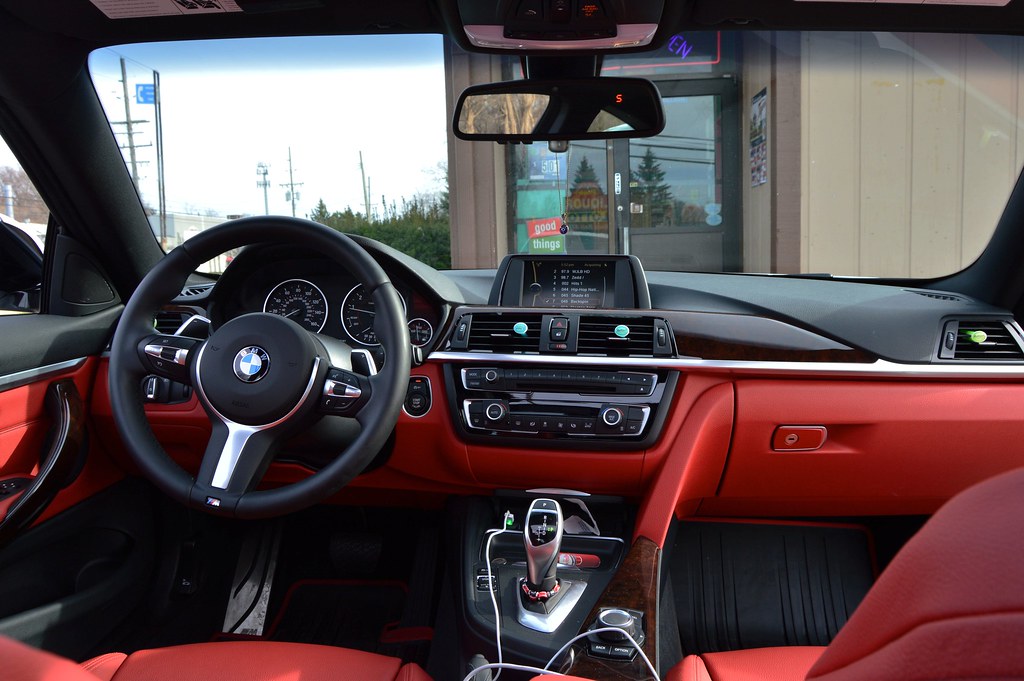
Driver assistance takes a notable step forward too, with an enhanced Highway Assistant supporting hands-free driving in certain conditions and markets, plus improved automated parking. When configuring one, you can verify exactly which packages and features a build includes by checking the option codes in our Code Vault.
The Hydrogen Wildcard: iX5 Hydrogen Goes Series Production
Here's where the 2026 X5 story gets genuinely interesting. BMW has confirmed that its next-generation hydrogen fuel-cell powertrain — developed in collaboration with Toyota — will enter series production, and the X5 is the platform of choice. The company has been running its iX5 Hydrogen pilot fleet since 2023, and a customer-available fuel-cell X5 is slated to arrive around 2028, built on this G65-generation architecture.
Why hydrogen, and why the X5?
BMW has long argued that a single technology won't decarbonize transport everywhere. Battery-electric vehicles excel in many use cases, but hydrogen offers rapid refueling (roughly three to four minutes) and long range without the weight and charging-time penalties of large battery packs — attributes that suit a heavy, long-distance SUV.
The fuel-cell X5 combines a hydrogen stack with a small buffer battery and an electric motor, delivering the instant, silent torque of an EV while refueling like a conventional car. Key characteristics of the pilot iX5 Hydrogen system include:
- A fuel-cell system producing continuous power supplemented by a high-performance buffer battery
- Combined system output of approximately 400 hp
- Two 700-bar hydrogen tanks storing around 6 kg of hydrogen
- Refueling in roughly three to four minutes
The obvious catch remains infrastructure. Hydrogen refueling stations are scarce outside a handful of regions, which is why BMW is positioning the series hydrogen X5 as a complement to its battery-electric range rather than a replacement. If you're weighing propulsion options, our charging calculator helps put EV range and charging times into real-world perspective against hydrogen's refueling promise.
Where the Electric X5 Fits — and Doesn't
One question shoppers keep asking: is there a full battery-electric X5? The short answer is no — at least not in the traditional sense. BMW's dedicated electric SUV energy is going into the Neue Klasse platform, headlined by the all-new iX3. For a comprehensive look at that vehicle, see our deep dive on the BMW Neue Klasse iX3 (NA5), which rides on Gen6 cylindrical-cell batteries and a fundamentally new electrical architecture.
That leaves the G65 X5 to serve combustion, plug-in hybrid, and hydrogen buyers — a deliberately diversified strategy. It's a smart hedge: BMW keeps its most profitable SUV competitive across every fuel type while its clean-sheet EV platform matures alongside it.
Expected 2026 Pricing and Release Timing
BMW has not published final G65 pricing at the time of writing, but based on the outgoing G05's positioning and typical generational increases, buyers should plan for the following approximate ranges in the U.S. market:
| Variant | Powertrain | Estimated MSRP (USD) |
|---|---|---|
| xDrive40i | B58 I6 MHEV | ~$68,000–$72,000 |
| xDrive50e | I6 plug-in hybrid | ~$74,000–$78,000 |
| M60i xDrive | S68 V8 | ~$92,000–$97,000 |
These figures are estimates and will be superseded by BMW's official announcements. Expect the gasoline and hybrid G65 variants to reach U.S. dealers through 2026, with the X5 M following and the series hydrogen model arriving toward 2028.
If value is your priority, remember that the outgoing G05 will see aggressive discounting as G65 stock arrives — and BMW's certified pre-owned program can make a lightly used X5 compelling. Our guide to the BMW CPO program explains exactly what's covered and whether it's worth the premium.
Should You Wait for the G65?
For most buyers, the G65 is worth waiting for. The refreshed design, Operating System 9, improved plug-in hybrid range, and 48-volt refinements collectively push the X5 forward without abandoning the proven mechanicals that made the G05 so likeable. The B58 and S68 engines remain excellent, the ZF eight-speed is a gem, and xDrive continues to deliver all-weather confidence.
The hydrogen wildcard, meanwhile, is a longer-term story — genuinely exciting for enthusiasts who want a zero-emissions X5 without battery compromises, but dependent on refueling infrastructure that most owners simply don't have access to yet. For now, it's a fascinating proof point of BMW's technology-open strategy rather than a mainstream buy.
Either way, the 2026 BMW X5 confirms that BMW's most important SUV isn't standing still. It's evolving carefully, hedging intelligently, and keeping one foot firmly in the hydrogen future.