If you own a modern BMW long enough, there is a very good chance you will meet the oil filter housing gasket. It is one of the most common oil leaks across BMW's four- and six-cylinder engines, and while it is rarely an emergency, left unaddressed it makes a mess, can drip oil onto belts and exhaust components, and slowly lowers your oil level. This guide explains what the housing does, why the gasket fails, how to recognise it, how to tell it apart from other common leaks, and what the repair involves.
What the oil filter housing does
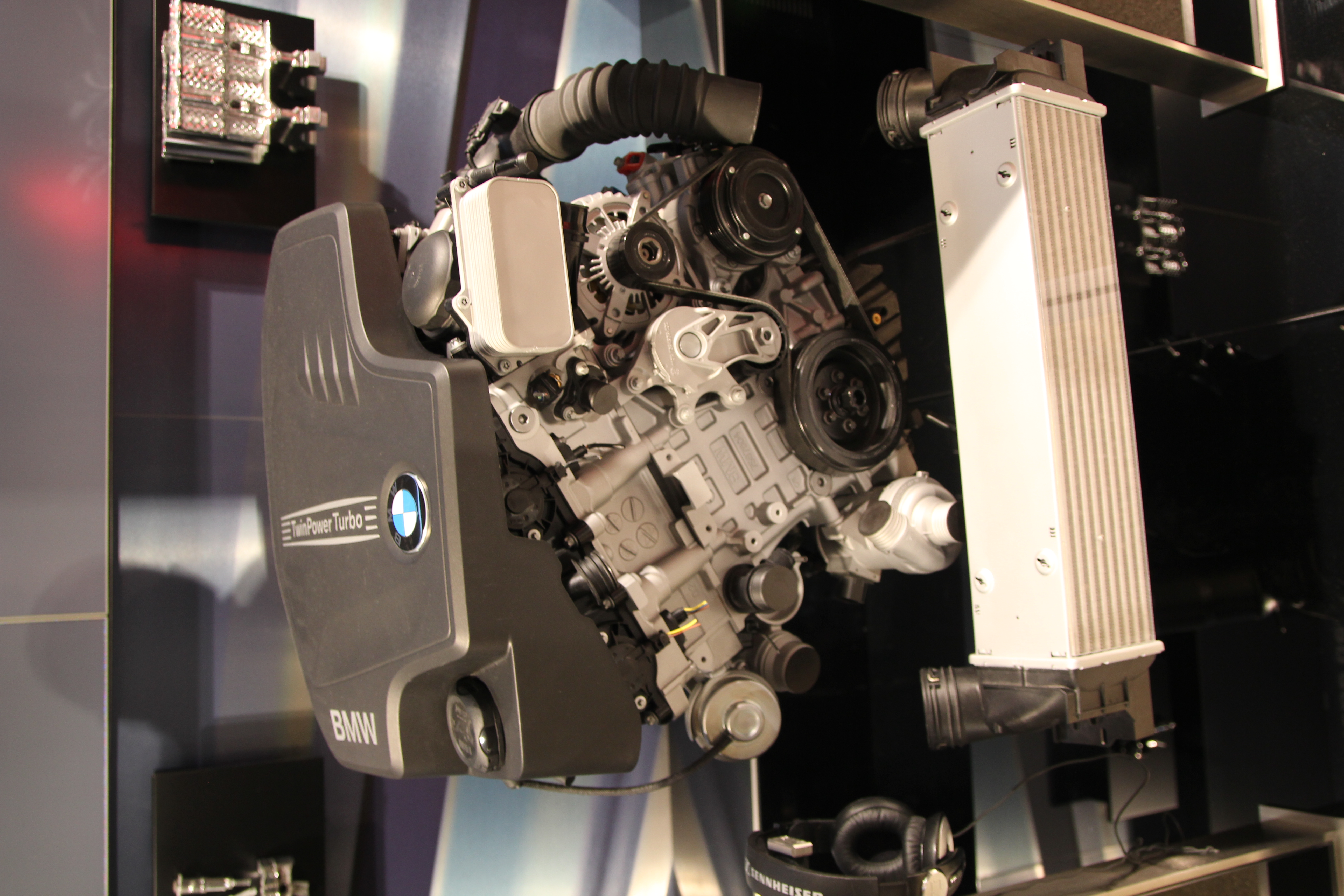
The oil filter housing is the assembly that holds the oil filter and routes engine oil through it — and, on many cars, through an oil cooler as well. It bolts to the engine block and seals against it with a gasket. On many BMWs the housing also connects to coolant lines for the oil cooler, which is why a failure here can occasionally involve both oil and coolant.
Why the gasket fails
The gasket sits between the housing and the block, right in the path of hot oil and constant heat cycling. Over years of heating and cooling, the gasket material hardens, loses its elasticity and shrinks slightly. Once it can no longer maintain a perfect seal, oil begins to weep from the mating surface. This is a wear-and-age failure rather than a defect — it is simply what happens to a gasket in a hot, cyclic environment over a long service life.
Symptoms
- Oil on the underside of the engine or dripping onto components below the housing
- A burning-oil smell, especially after the car has been driven and oil has dripped onto hot exhaust or the belt
- A slowly dropping oil level without an obvious puddle, because the leak can be a weep rather than a stream
- Visible oil residue around the filter housing itself
- Smoke from the engine bay in worse cases, as leaked oil burns off hot surfaces
Because the housing is often located where leaked oil can reach the accessory belt, a neglected leak can eventually contaminate and degrade the belt — another reason not to let it linger.

Which engines are affected?
The oil filter housing gasket is a common leak across a wide range of BMW engines, including the N20 and N26 four-cylinders, the B48 that succeeded them, and several six-cylinder families such as the N52, N54 and N55. The housing location and the specific gasket revision differ between engines, which is why the difficulty of the repair varies so much from car to car. Identifying your exact engine is the first step to understanding the job.
How to tell it apart from other leaks
BMWs have a few classic oil-leak sources, and it is worth distinguishing them because the repairs differ:
- Valve cover gasket — leaks from the top of the engine, often running down the side. Oil above the housing points here.
- Oil filter housing gasket — leaks from the housing's mating surface, typically lower and centred on the housing.
- Oil pan gasket — leaks from the very bottom of the engine.
- Oil cooler seals — if your car has an oil cooler integrated with the housing, these can leak too, sometimes mixing oil and coolant.
Cleaning the area and then inspecting after a drive helps pinpoint the true source, since a fresh weep is much easier to trace than an area coated in old oil.
The repair
The fix itself is conceptually simple: remove the housing, clean the surfaces, and install a new gasket (and new oil cooler seals if applicable). The parts are inexpensive. The variable — and the reason quotes differ so widely — is labour, which depends entirely on how accessible the housing is on your particular engine. On some engines it is a quick job; on others, other components must be moved to reach it. Because the housing may also involve coolant connections, the correct procedure and any required coolant service should be confirmed for your specific engine.
Many owners take the opportunity to refresh nearby wear items while everything is apart, since the labour is already invested.
Cost drivers: why quotes vary so much
Two owners with the "same" leak can get very different quotes, and it almost always comes down to access. On an engine where the housing sits in the open, it is a quick gasket swap and the bill is modest. On an engine where the intake, other accessories or brackets must come off to reach it, the labour multiplies. If your car has an integrated oil cooler, replacing its seals at the same time adds a little cost but is sensible since they are right there and prone to their own leaks. When comparing quotes, make sure they cover the same scope — a cheaper quote that only addresses the gasket is not comparable to one that also refreshes the cooler seals.
Doing it yourself
On the more accessible engines, the oil filter housing gasket is within reach of a confident home mechanic — the parts are inexpensive and the procedure is straightforward. The keys are cleaning the mating surfaces thoroughly so the new gasket seals properly, torquing the housing correctly, and, if coolant lines are involved, handling the coolant side properly and bleeding the system afterward. On the buried engines, the amount of disassembly required makes it a bigger commitment, and many owners reasonably hand those to a shop. Identify exactly where the housing sits on your engine before deciding.

Prevention and timing
There is no way to prevent a gasket from ageing, but you can limit the collateral damage by catching the leak early — before it soaks the belt or makes a large mess — and by keeping up with oil changes so you notice level drops. Once a weep is confirmed, addressing it sooner rather than later keeps it a small, inexpensive job.
Frequently asked questions
Is it safe to drive with an oil filter housing leak? A small weep is not an immediate emergency, but it should be addressed before it drips onto the belt or lowers your oil level significantly. Monitor your oil level closely in the meantime.
How much does the repair cost? Parts are cheap; the total depends heavily on labour, which varies by engine. Get the housing location for your specific engine identified first.
Could it be coolant, not oil? If your housing integrates an oil cooler, a related seal can leak coolant. Confirm which fluid is leaking before ordering parts.
Will the leak damage my engine? The gasket leak itself is not internally damaging, but ignoring it lets oil contaminate the belt and make a mess, and it slowly lowers your oil level. Address it before it creates a secondary problem.
Should I replace the oil cooler seals at the same time? If your car has an integrated oil cooler, yes — they are right there and prone to their own leaks, so doing them together saves a repeat job.
The bottom line
The oil filter housing gasket leak is one of the most common items on modern BMWs, and it is more nuisance than catastrophe — provided you catch it before it soaks the belt or drops your oil level. The parts are cheap; the cost is all in access, which varies enormously by engine. Identify exactly where the housing sits on your specific engine, decide honestly whether it is a DIY job or a shop job for your car, and address a confirmed weep sooner rather than later while it is still small. It is a routine part of BMW ownership, not a reason for alarm.
Know exactly what you're working with
Before you buy, tune or repair, confirm the exact engine, chassis and factory build of your specific car. Guessing from a badge or a model year is how people end up ordering the wrong parts or buying a car that is not what the advert claimed. Decode your VIN to verify precisely what you have — the engine, the chassis generation, the transmission and the factory options — then read your window-sticker option codes in the Codex to understand how the car was originally equipped.
From there, the BMW DNA encyclopedia lets you trace the full lineage of your engine, chassis and drivetrain and understand how your car fits into BMW's engineering story — why it was built the way it was, what it replaced, and what came after it. It is the context that turns a spec sheet into genuine understanding.
Keep exploring
Deepen your BMW knowledge with more DreamBMW guides: the N54 vs N55 and N52 vs N54 engine comparisons, the B58 engine guide, our walkthrough of BMW cooling system failures and how to get ahead of them, the truth about the ZF 8HP automatic and which BMW transmission to choose, the oil filter housing gasket leak and walnut blasting explainers, how xDrive works, and our buyer's guide to the most reliable used BMWs.
This guide is a reference for BMW owners and enthusiasts, not a repair manual. Specifications, intervals and procedures vary by model year and market — always confirm against factory documentation or a qualified BMW technician before carrying out any work.