If you own a direct-injection BMW — which is most of them built in the last fifteen years — you have probably heard the term walnut blasting. It sounds exotic, but it addresses a very ordinary consequence of modern engine design. This guide explains why carbon builds up, how to recognise it, what walnut blasting actually involves, how often it is needed, and what you can do to slow it down.

Port injection vs direct injection: the root of the problem
To understand carbon buildup, you have to understand how fuel gets into the engine. On an older port-injected engine, fuel is sprayed into the intake port, passing over the back of the intake valves on its way into the cylinder. Fuel is a solvent, so this constant wash keeps the valves clean as a side effect.
Direct injection changed that. To improve efficiency and power, engineers moved the injector so it sprays fuel straight into the combustion chamber, past the valves entirely. It is a better way to burn fuel — but it removes the cleaning wash the intake valves used to get. Now nothing rinses them, and over time deposits accumulate.
Where the carbon comes from
The deposits come mainly from the engine's crankcase ventilation system, which routes oil vapour back into the intake by design. On a direct-injection engine, that oily vapour settles on the hot backs of the intake valves and gradually bakes into hard carbon. A small amount of exhaust gas recirculation and normal blow-by contribute as well. The result is a rough, crusty buildup that narrows the intake path and disrupts airflow into the cylinder.
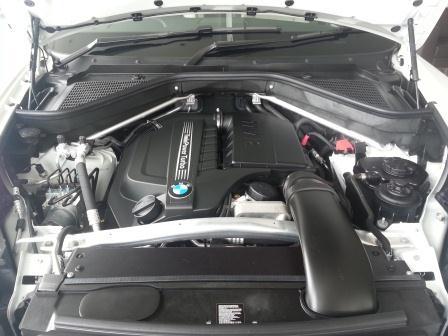
Symptoms of carbon buildup
- Rough or shaky cold starts and idle — often the first sign
- A gradual loss of throttle response and power, so slow you may not notice until it is cleaned
- Misfires under load, sometimes with fault codes for specific cylinders
- Reduced fuel economy
- Hesitation or a slightly "lumpy" feel at part throttle
Because it develops so slowly, many owners adapt to the gradual dulling without realising anything is wrong — and then are startled by how sharp the engine feels after a cleaning.
What walnut blasting actually involves
Walnut blasting is a mechanical cleaning process. The technician removes the intake manifold to expose the intake ports, then seals each port with a specialised adapter connected to a powerful vacuum. Fine crushed walnut-shell media is blasted at the carbon deposits; the organic media is hard enough to scour off the baked-on carbon but soft enough not to damage the valves or ports, and the vacuum simultaneously captures the media and debris so it does not fall into the cylinder.
The reason the job takes time and costs what it does is not exotic parts — it is the access and thoroughness. Removing the intake, sealing and blasting each port properly, and reassembling with fresh gaskets is labour-intensive work. Done well, it restores the intake tract to near-original condition.
How often is it needed?
There is no universal number. The rate of buildup depends on driving style, oil consumption, engine family and how the car is used — lots of short trips and idling tend to accelerate it. Many BMW specialists suggest inspecting or cleaning affected direct-injection engines somewhere in the broad 60,000-to-90,000-mile range, but this is guidance, not a rule. The best approach is to inspect (a technician can borescope the valves) rather than guess, and to clean when the deposits actually warrant it.
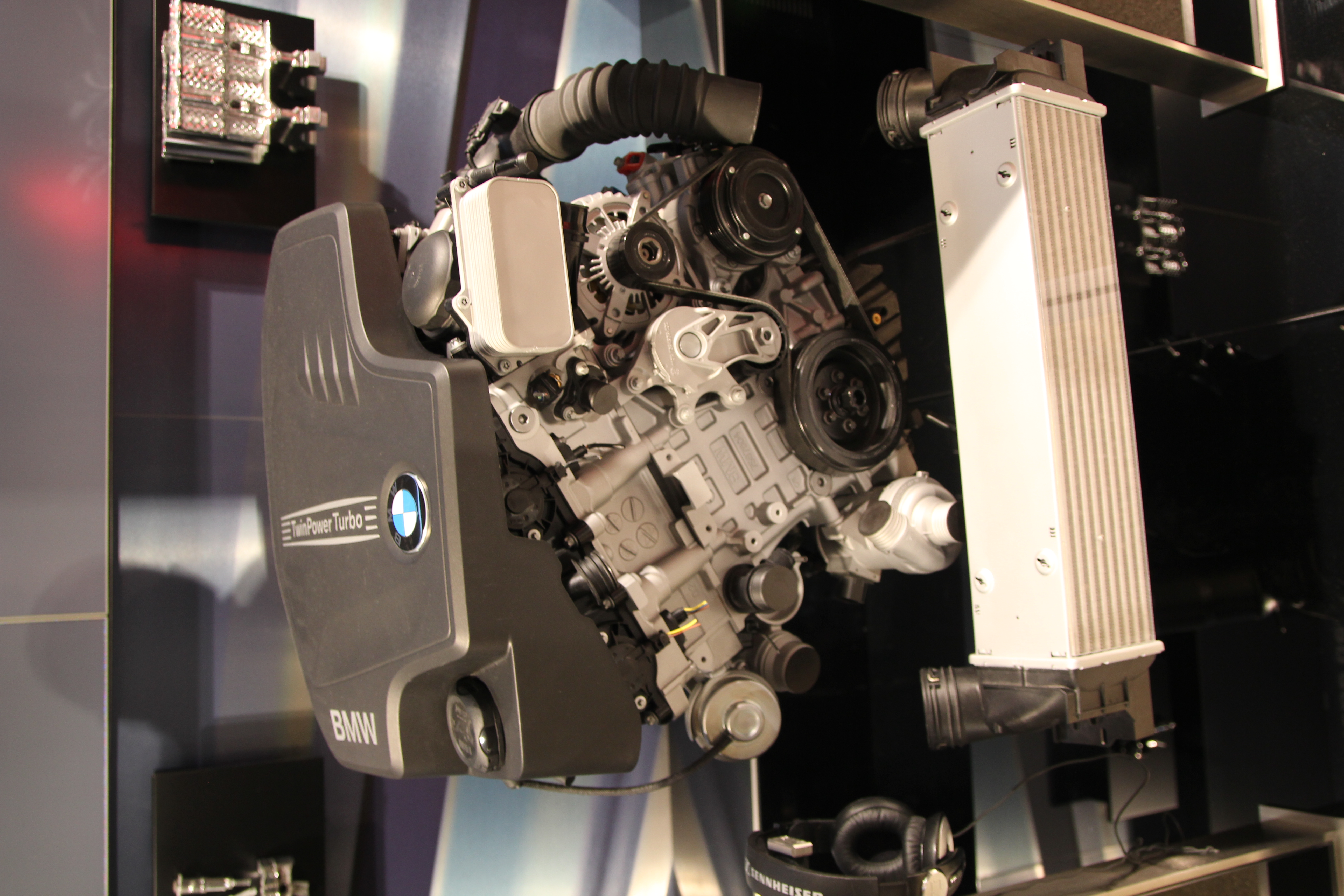
Importantly, BMW's newer engines that combine direct and port injection are far less prone to this problem, because the port injectors once again wash the valves. If your engine has both, carbon is much less of a concern.
How to slow the buildup
You cannot fully prevent carbon on a pure direct-injection engine, but a few habits help:
- Keep up with oil changes and avoid overfilling — less oil vapour means fewer deposits.
- Use quality oil to the correct specification.
- Drive the car properly — regular longer drives that let the engine reach full temperature are kinder than constant short trips.
- Some owners fit an oil catch can to reduce the oil vapour reaching the intake; opinions vary on its effectiveness and it is a modification to research carefully for your specific engine.
The oil catch can debate
Catch cans are one of the most debated modifications among direct-injection BMW owners. The theory is sound: a catch can intercepts oil vapour from the crankcase ventilation system before it reaches the intake, so less of it can bake onto the valves. In practice, opinions differ on how much difference a can actually makes, and a poorly chosen or poorly installed can may not help much. If you go this route, research a quality kit designed for your specific engine, understand that it needs periodic emptying, and treat it as a way to slow buildup rather than eliminate it. It does not remove existing carbon — only mechanical cleaning does that.
How a technician checks your valves
The best way to know whether your engine actually needs cleaning is to look, not guess. A technician can pass a borescope — a small camera — into the intake to inspect the backs of the valves directly, grading the deposits from light to severe. This turns "it's been 70,000 miles, should I blast it?" into a definitive answer, and it prevents both unnecessary work on a clean engine and neglect of a badly fouled one. If you are curious about your own car, asking for a borescope inspection at a service is an inexpensive way to settle the question.
Cost and timing in context
Walnut blasting is priced mainly on labour, because the manifold has to come off and each port must be sealed and blasted carefully. That makes it a moderate but not trivial service. The good news is that it is not a frequent one — for most affected engines it is an occasional intervention measured in tens of thousands of miles, not an annual chore. Bundling it with other intake-off work, if you happen to be doing some, can save on overlapping labour.
Frequently asked questions
Does my BMW have direct injection? Most BMWs from the late 2000s onward do. Decode your VIN and check your engine family to confirm.
Can I prevent carbon buildup entirely? Not on a pure direct-injection engine — but good maintenance slows it, and dual-injection engines largely avoid it.
Will a fuel additive clean the intake valves? Fuel additives pass through the injector into the cylinder, so on a direct-injection engine they never touch the intake valves. Only mechanical cleaning like walnut blasting removes intake-valve carbon.
Is carbon buildup harmful to the engine? It will not destroy the engine, but it steadily saps performance, economy and smoothness, and severe buildup can cause misfires. It is a performance and driveability issue rather than a catastrophic one.
Do newer BMWs still need walnut blasting? Engines that combine port and direct injection largely avoid the problem, because the port injectors wash the valves again. Pure direct-injection engines are the ones that benefit.
The bottom line
Carbon buildup is simply the price of direct injection's efficiency, and walnut blasting is the established cure. It is not a sign that anything is wrong with your engine — it is expected maintenance on affected BMWs, no different in principle from any other periodic service. Inspect rather than guess, clean when the deposits actually warrant it, and adopt the habits that slow the buildup in between. Owners are almost always surprised by how much sharper the engine feels afterward — proof of how gradually the carbon dulled it in the first place.
Know exactly what you're working with
Before you buy, tune or repair, confirm the exact engine, chassis and factory build of your specific car. Guessing from a badge or a model year is how people end up ordering the wrong parts or buying a car that is not what the advert claimed. Decode your VIN to verify precisely what you have — the engine, the chassis generation, the transmission and the factory options — then read your window-sticker option codes in the Codex to understand how the car was originally equipped.
From there, the BMW DNA encyclopedia lets you trace the full lineage of your engine, chassis and drivetrain and understand how your car fits into BMW's engineering story — why it was built the way it was, what it replaced, and what came after it. It is the context that turns a spec sheet into genuine understanding.
Keep exploring
Deepen your BMW knowledge with more DreamBMW guides: the N54 vs N55 and N52 vs N54 engine comparisons, the B58 engine guide, our walkthrough of BMW cooling system failures and how to get ahead of them, the truth about the ZF 8HP automatic and which BMW transmission to choose, the oil filter housing gasket leak and walnut blasting explainers, how xDrive works, and our buyer's guide to the most reliable used BMWs.
This guide is a reference for BMW owners and enthusiasts, not a repair manual. Specifications, intervals and procedures vary by model year and market — always confirm against factory documentation or a qualified BMW technician before carrying out any work.